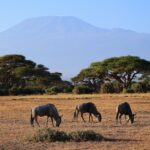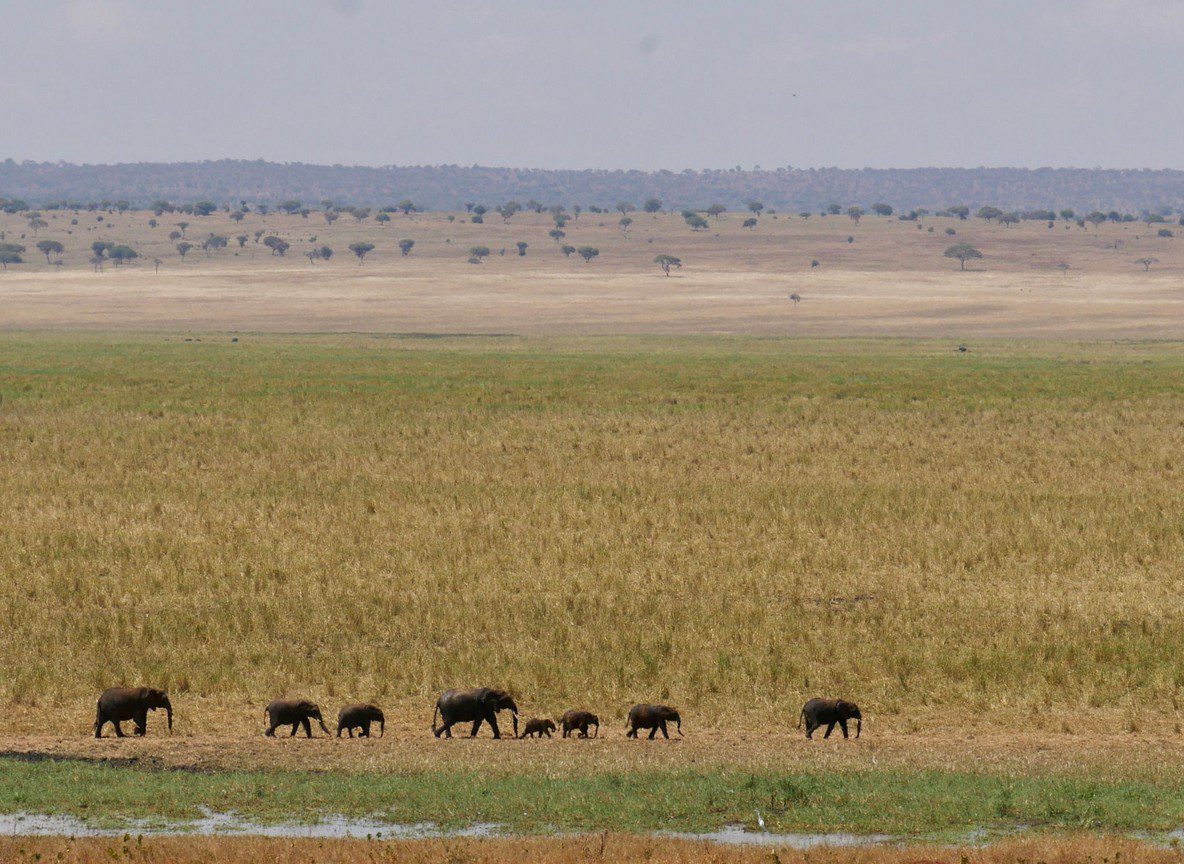
Photography in Amboseli is about light more than animal density. The park has some of the most reliable elephant concentrations in Kenya, set against a backdrop that includes Kilimanjaro on a good morning and dust-lit atmosphere across the open plains. But the quality of what you come home with depends less on the wildlife being there than on whether you were positioned correctly at the right time of day with enough energy to shoot well.
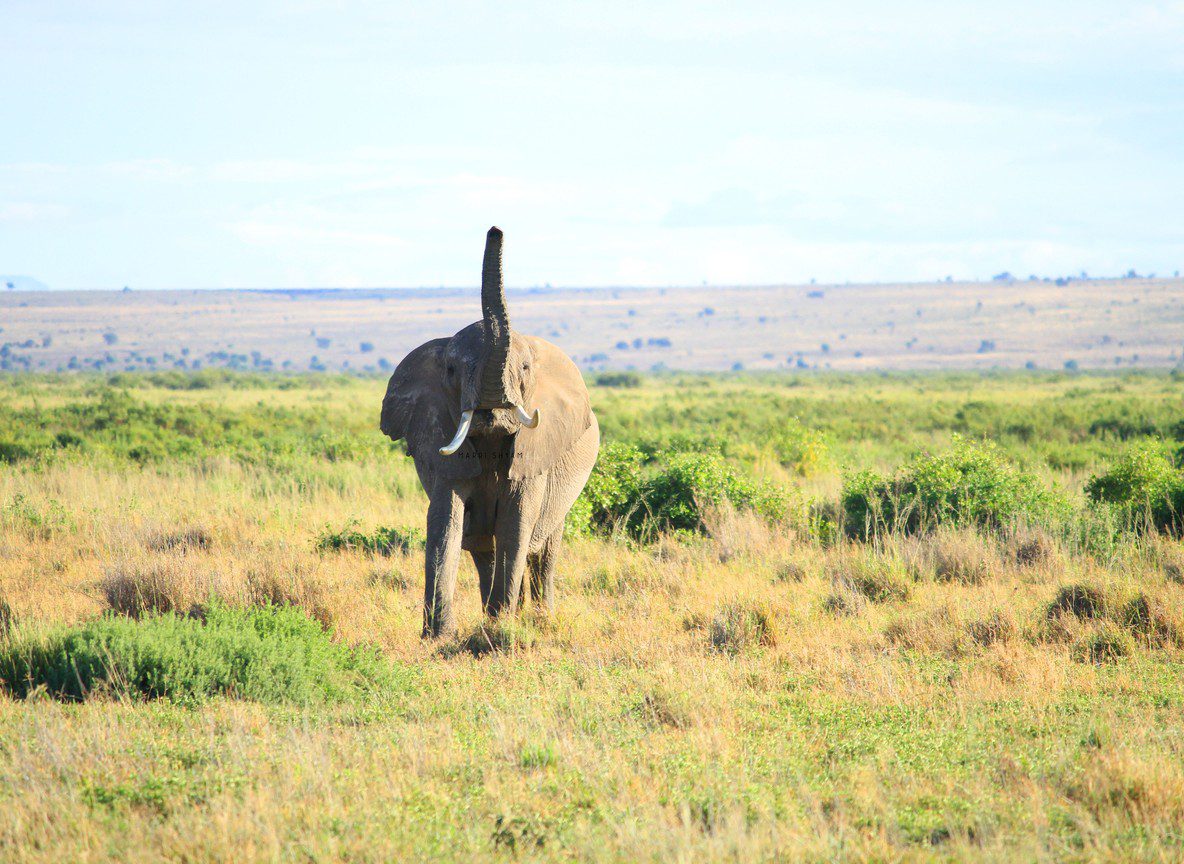
The best Amboseli safari for photographers from Nairobi is one built around protecting light windows, reducing transfer fatigue, and placing the photographer in the right zone of the park before dawn. Timing in Amboseli matters more than it does in denser ecosystems where animals are harder to miss but the light is less dramatic.
The standard planning guidance points photographers toward the dry season from June through October for the clearest mornings, the best Kilimanjaro visibility, and the most reliable dust atmosphere at low light. It also repeatedly identifies three stay names as particularly strong for photography access: Ol Tukai, Serena, and Satao Elerai, all of which are positioned near swamps and Observation Hill, the two zones that consistently produce the best elephant and landscape compositions.
The trip from Nairobi takes about four to five hours by road or 40 to 50 minutes by charter flight from Wilson Airport. That difference matters more for photographers than for general tourists, and the rest of this guide explains why.
Why Photographers Need a Different Trip Structure
A general traveller can have a satisfying Amboseli safari on a modest structure. Two drives, some elephant sightings, a clear morning of Kilimanjaro. Good enough.
A photographer working seriously needs something more specific. They need:
Repeated dawn windows. The first hour of morning light in Amboseli is the most productive time of day. Elephants are active at wetlands, dust catches low light in ways that disappear by 9am, and Kilimanjaro is clearest before cloud builds. One dawn window on a one-night trip is not enough. Two or three mornings is the minimum for meaningful photo work.
Energy to shoot. Photography is physically demanding in ways that non-photographers underestimate. Holding a heavy lens steady, tracking movement in low light, and making compositional decisions at speed all require genuine physical alertness. Arriving at camp tired from a rushed road transfer and then waking for a 5:30am departure rarely produces great results.
Flexible vehicle positioning. Shared vehicles with mixed-interest passengers mean stopping at a sighting for two minutes and moving on. Photographers need longer waits at productive scenes. A private vehicle or at minimum a vehicle shared with other photographers changes the entire quality of the drive.
Road or Air: The Practical Tradeoff for Photographers
Road transfer works well for photographers staying two nights or more, travelling on a controlled budget, and leaving Nairobi early enough to arrive at camp by early afternoon.
The issue with road is cumulative. A five-hour transfer in each direction takes two of your six total ground days off the table for photography. For a two-night trip, you lose a significant portion of viable field time to logistics. If you then arrive at camp tired and short on time before the first dawn, the first morning suffers.
Air transfer resolves this. Forty to fifty minutes in a small plane arrives you at the Amboseli airstrip fresh, with time to settle, eat, and mentally prepare before the next morning. For photographers on tight schedules, the cost premium is often justified by the field-time recovery alone.
The right answer depends on the total trip length and budget. For a two-night photography trip, air is worth serious consideration. For three nights or longer, road becomes a more acceptable tradeoff.
Trip Length: The Honest Minimum for Photography
One night is not enough for a photography-focused trip. The risk of a cloudy Kilimanjaro morning, flat light, or quiet elephant activity is simply too high. One bad morning wipes out the trip.
Two nights is the practical minimum. It gives you two dawn windows, which is enough to recover from one difficult morning. It also provides a second afternoon light slot and enough rest to stay alert.
Three nights is better if the budget allows. The third morning often produces the best work because you have already learned the terrain, identified the productive zones, and built a working rhythm with the guide. Many photographers describe the third day in Amboseli as the strongest.
Beyond three nights, returns diminish for most photographers unless they have a specific project requiring sustained coverage of a particular subject or area.
Which Lodge Zone Works Best for Photography
The accommodation guidance for Amboseli photography consistently points to three priorities: access to the wetland areas near Observation Hill, proximity to the swamp margins where elephants concentrate in the early morning, and a stay that does not waste significant time on daily transfers within the park.
Ol Tukai sits well for all three. Its wetland positioning is the main reason it appears repeatedly in photography-focused Amboseli guides. The classic elephant-and-mountain composition that defines Amboseli photography is easiest to access from here.
Serena offers similar park positioning with slightly different atmosphere. It is a larger lodge, which means it feels less intimate, but the game-drive access from here is straightforward and reliable.
Satao Elerai sits in a conservancy context outside the main park, offering more privacy and a different camp atmosphere. The tradeoff is slightly more complex daily transfer logistics into the core wildlife zones, which matters on shorter trips. On longer trips it can be offset by the quieter, less crowded experience.
For photographers on a two-night trip, inside-park proximity usually beats boutique conservancy atmosphere. For three nights, the calculus shifts toward atmosphere and vehicle flexibility.
The Dawn Window: Why It Dominates Every Other Variable
In Amboseli, almost everything that matters photographically happens between 6am and 9am.
This is when elephants are most active at wetlands. This is when dust particles in the dry-season air catch low-angle light and create the golden-red atmosphere that defines the park’s best images. This is when Kilimanjaro is most likely to appear above the cloud base before mid-morning convection obscures it.
A trip structure that protects this window consistently produces better photography than any other single variable. A luxury lodge that requires a late breakfast and a 7:30am departure produces worse results than a simpler camp that gets you to the wetlands by 6am.
Before choosing a lodge or finalizing your itinerary, confirm: what time does the first morning game drive depart, and how far is the drive to the most productive zones? Those two questions matter more than almost anything in the brochure.
What Photographers Should Spend On First
If the photography budget is limited, the priorities are clear.
Enough nights comes first. The cost of an extra night is almost always a better investment than a room upgrade.
The right lodge zone comes second. Paying slightly more for a property closer to productive wildlife areas returns more image value than paying the same amount for a better bathroom or a fancier dinner.
Vehicle flexibility comes third. A private vehicle or a photography-specific group vehicle makes an enormous practical difference. If the camp does not offer private vehicles, ask whether you can arrange a supplement.
Lower on the priority list: room aesthetics beyond a basic comfort threshold, extra amenities that do not affect field time, and non-photography activities that replace morning or afternoon drives.
Quick Planning Checklist for Amboseli Photography Trips
- Minimum two nights; three if possible
- Dry season travel (June to October) for clearest morning visibility
- Lodge near wetlands or Observation Hill zone
- Transfer method matched to trip length and energy budget
- Private vehicle or photography-group vehicle confirmed before arrival
- First morning departure time confirmed with camp before booking
Explorer Notes: Kilimanjaro and Light
Kilimanjaro visible or not is partly luck and partly probability. The mountain clears most reliably in the early morning, particularly during the dry months. By 9am, convective cloud often builds around the summit and the iconic backdrop disappears. This is why dawn drives in Amboseli carry more weight than in most other parks.
The dust atmosphere that makes dry-season Amboseli photography distinctive builds through the morning as elephants move and the wind picks up. The light from 6am to 7:30am in low-dust conditions tends to be soft and golden. By 8:30am, the quality of the light has often changed significantly.
For photographers specifically seeking the mountain composition with elephants in the foreground, building two or three dawn windows into the trip is the most reliable way to come home with that image.
Practical Planning
External reference: trunktrailssafaris.com documents Amboseli photography conditions by season and provides detailed lodge-zone guidance for camera-focused visitors, including timing notes for Kilimanjaro visibility.
For wider Amboseli context: touringinsights.com covers the park’s seasonal patterns and ecosystem zones in detail, which helps photographers understand what drives elephant concentration at different times of year.
One principle worth keeping: In Amboseli, improving dawn access consistently outperforms improving accommodation. If a budget choice must be made, the extra morning in the field is almost always worth more than the upgraded room.
Every trip described here can be tailored: dates, budget, camps, and pace built around you.
Get a Personalised Safari